Digital Twins, AI, and Robotics: The Tools of Tomorrow’s Factory Floor
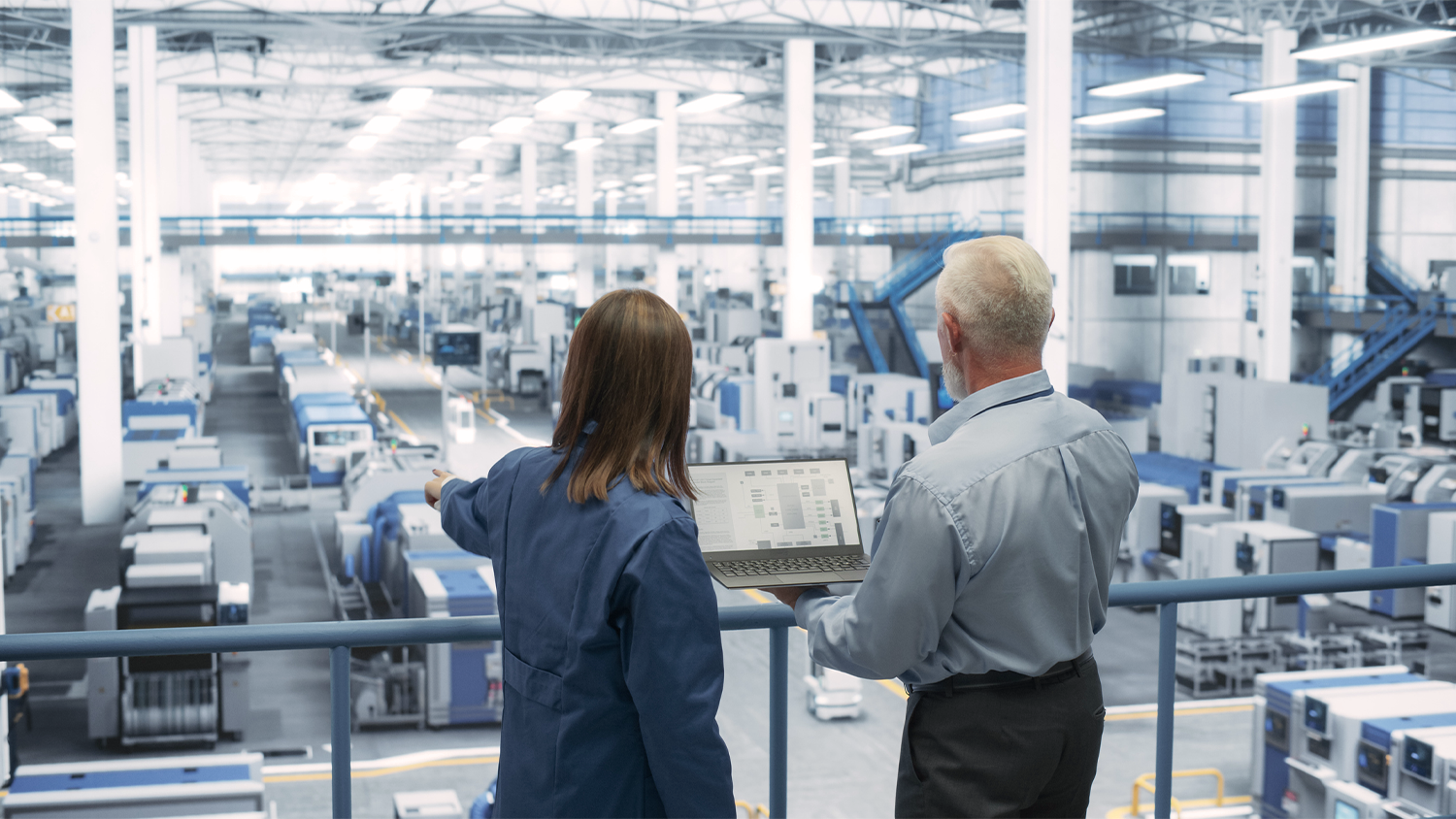
The manufacturing world is in the middle of a transformation unlike anything seen before. The “factory of the future” is no longer a distant vision. It’s here, reshaping how we design, build, and deliver products. At the heart of this change are three powerful technologies: digital twins, artificial intelligence (AI), and robotics. Together, they are driving innovation, improving efficiency, and creating safer, smarter workplaces.
For today’s workforce, innovation means opportunity. Companies embracing these tools need professionals with specialized skills, and that’s where advanced manufacturing training plays a critical role.
What Is the Factory of the Future?
The factory of the future is an interconnected, data-driven, highly adaptive environment. It uses advanced technologies to create systems that are more productive, more flexible, and more sustainable than anything in traditional manufacturing.
Often linked to Industry 4.0, the fourth industrial revolution, these modern factories bring together smart machines, advanced analytics, and integrated systems to streamline operations, minimize downtime, and customize production like never before. But for all the innovation, one thing remains constant: success depends on people with the right skills to operate and optimize these systems.
Digital Twins: A New Dimension in Manufacturing
A digital twin is a virtual replica of a physical asset, process, or system. By simulating real-world conditions, it allows manufacturers to monitor performance, predict issues, and test changes without touching the physical equipment.
Applications of digital twins in manufacturing include:
- Real-time monitoring to spot problems before they happen
- Predictive maintenance that keeps machines running smoothly
- Virtual prototyping to test new products faster and more cost-effectively
Industries from aerospace to automotive are using digital twins to reduce downtime, improve quality, and accelerate innovation cycles. For professionals, mastering this technology means gaining skills in simulation tools, data analytics, and systems integration—competencies that are central to modern advanced manufacturing training.
Artificial Intelligence: The Brain of the Smart Factory
If digital twins are the blueprints, AI is the brain that makes them smarter. AI analyzes massive amounts of data to identify patterns, optimize operations, and even make decisions in real time.
AI in Industry 4.0 enables:
- Predictive analytics for maintenance and quality control
- AI-driven supply chain optimization
- Machine learning systems for defect detection and process improvement
An AI-powered factory isn’t just faster; it’s more adaptive, responding instantly to changes in demand, materials, or market conditions. That adaptability depends on a workforce trained to understand AI tools, interpret machine learning outputs, and incorporate them into everyday decision-making.
Robotics: The Hands of the Factory of the Future
From massive industrial arms assembling vehicles to small, collaborative robots (“cobots”) assisting humans on the line, robotics in manufacturing is transforming how work gets done.
Types of robotics in advanced manufacturing include:
- Industrial robots for high-speed, high-precision, repetitive tasks
- Cobots designed to safely share workspace with humans, adding flexibility to operations
Robotics improve efficiency, precision, and safety, but they also require skilled operators, programmers, and technicians who can maintain and adapt them for evolving production needs. As Industry 4.0 careers grow, professionals who can work alongside and manage robotic systems will be in high demand.
Why These Technologies Work Better Together
Individually, digital twins, AI, and robotics are powerful. Together, they’re revolutionary.
Imagine this: a digital twin models a production process, AI analyzes the data to identify optimizations, and robotics executes the improved process with precision. This synergy creates a manufacturing environment that’s efficient, cost-effective, sustainable, and capable of continuous innovation.
For today’s workforce, cross-training is essential. The most valuable employees will understand how these systems interact and how to integrate them into a seamless, adaptive operation.
The Future Starts Here
The tools of tomorrow’s factory floor—digital twins, AI, and robotics—are already here. The professionals who know how to work with them will lead the next wave of manufacturing innovation. At RIT Certified, our Factory of the Future course is designed to prepare you for exactly that.
Developed with industry input, our curriculum blends hands-on advanced manufacturing training with the latest advancements in AI in Industry 4.0, digital twins in manufacturing, and robotics. You’ll learn how these technologies work individually and together, how to apply them to real-world challenges, and how to position yourself as a valuable contributor in an advanced manufacturing environment.
Whether you’re starting your career, looking to upskill, or leading a team through transformation, this is your opportunity to get ahead. The future of manufacturing isn’t just about machines; it’s about the people who know how to make them work smarter. And when you have the right skills, you’re not just keeping up, but shaping what comes next.