Inside the Chips That Power the World: A Beginner’s Guide to CMOS Processing
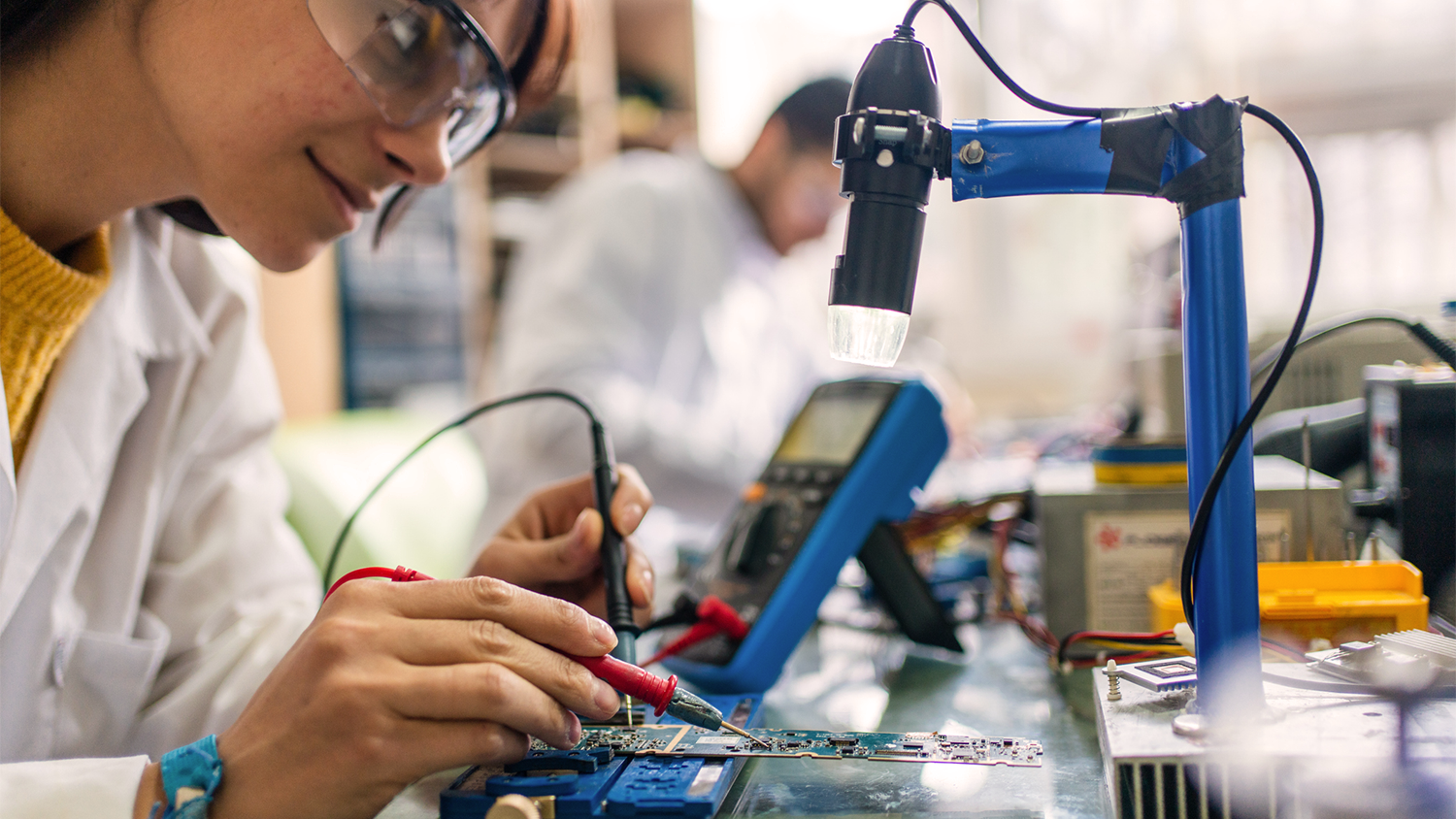
From smartphones and laptops to hospital equipment and cars, the world runs on microchips. But have you ever wondered what goes into making those tiny, powerful devices? At the heart of nearly all of them is CMOS processing—short for complementary metal-oxide-semiconductor.
It’s a mouthful, but CMOS is the foundational technology behind the modern digital age. And now, as global demand for semiconductors grows faster than ever, understanding the basics of CMOS processing isn’t just interesting—it could be your first step into a high-growth, high-impact career.
What Is CMOS Processing?
CMOS processing is the method used to create integrated circuits (ICs)—the brains inside most electronic devices. It’s how engineers and technicians build complex networks of transistors on a silicon wafer to form microchips.
The “complementary” part refers to the use of two types of transistors (PMOS and NMOS) that work together efficiently, consuming less power. This efficiency makes CMOS the gold standard for producing chips used in everything from consumer electronics to medical imaging to space tech.
The process involves multiple precise steps in highly controlled cleanroom environments, including:
- Photolithography: Using light to transfer circuit patterns onto a silicon wafer.
- Etching and Doping: Shaping and altering the properties of the wafer at the microscopic level.
- Deposition: Adding thin layers of materials to build up the circuit.
It’s incredibly detailed work—and incredibly rewarding.
Why CMOS Matters in Daily Life
Chances are, you’ve already used dozens of CMOS-powered devices today. Your smartphone? Check. Laptop? Check. Smart thermostat, fitness tracker, digital camera? All driven by CMOS chips.
Beyond convenience, CMOS enables the technologies shaping our future—artificial intelligence, 5G connectivity, electric vehicles, and advanced healthcare diagnostics. These aren’t science fiction—they’re everyday realities powered by chips smaller than a fingernail.
That’s why learning about CMOS isn’t just technical—it’s practical. It’s about understanding how the systems around us work and how we can be part of building what comes next.
From Sand to Silicon: The Journey of a Chip
Believe it or not, microchips start as sand—specifically, silicon, which is refined and transformed into wafers. Here’s a simplified look at how a chip is made:
- Wafer Fabrication: Raw silicon is purified and sliced into wafers.
- Patterning: Layers of circuitry are etched using photolithography.
- Ion Implantation: Atoms are embedded to change electrical properties.
- Layering and Etching: Repeated to build complex circuitry.
- Packaging: Finished chips are tested and sealed into protective cases.
Each step requires extreme precision—and people trained to carry it out. That’s where careers in semiconductor manufacturing come into play.
The Skills Behind the Silicon
CMOS processing isn’t just for engineers with PhDs. It also depends on skilled technicians and operators who understand the tools, safety protocols, and workflows involved.
Valuable skills in this space include:
- Operating semiconductor fabrication equipment
- Monitoring cleanroom environments
- Applying quality control and testing procedures
- Interpreting process data and schematics
At RIT Certified, we’ve designed programs that prepare learners for exactly these types of roles. With a focus on hands-on training and job simulation, our semiconductor pathways are built for real-world readiness.
Conclusion: Start Your Journey into the Semiconductor Industry
CMOS processing might sound complex, but it’s the invisible engine behind nearly every piece of technology we use. As industries continue to digitize and expand, the need for skilled semiconductor talent is skyrocketing.
Whether you’re new to tech or looking to pivot into a high-impact field, now is the perfect time to explore semiconductor manufacturing. At RIT Certified, we make it possible—with accessible, skills-forward training developed in collaboration with industry leaders.
Ready to take your first step? Explore our semiconductor programs and start building the future—one chip at a time.