The Role of Material Flow Analysis in Driving the Circular Economy
.jpg)
When companies talk about reducing waste to increase profit, one critical question often gets overlooked: how can we prove our measurements are accurate? Without a reliable method to track inputs and outputs, circular economy strategies can fall short. Material Flow Analysis (MFA) can help close that gap.
Rooted in the Law of Conservation of Mass, MFA systematically quantifies material flows and stocks in a defined system. That means every ton of material entering or leaving a system is accounted for and nothing disappears. This method turns sustainability talk into action by making waste, inefficiencies, and opportunities measurable.
What Is Material Flow Analysis?
MFA maps the movement of materials through a system (like a factory, city, or entire industry) by tracking inputs, outputs, and accumulations. Professionals set system boundaries, quantify materials, and collect data to identify where resources are consumed, reused, recycled, or lost.
A basic MFA involves:
- Defining the system boundary (e.g., national scale, product lifecycle)
- Quantify materials (e.g., aluminum, plastics)
- Collecting data on stocks and flows
- Creating visualizations, like Sankey diagrams, to communicate findings
.png)
These visual tools help stakeholders grasp complex systems quickly and make informed decisions.
Why MFA Matters for Businesses
As Dr. Clyde Eirikur Hull said, "Material flow analysis is a tool businesses are just starting to use to reduce costs, increase profit, and cut their need for international supply chains. It could be the most important new analysis business leaders learn." MFA helps create a circular economy where we keep materials in use for as long as possible, increasing business profits. It also exposes hidden waste streams and inefficiencies that undermine circularity. For example:
- In the U.S., only about 35% of aluminum from end-of-life products is recycled, despite being 100% recyclable.
- Less than 1% of rare earth elements used in electronics are currently recycled, meaning nearly all of these critical materials are lost from the system.
By understanding where materials are lost, how materials can be recycled, or how materials can be recaptured, organizations can redesign systems for better recovery, reuse, and extension of the product life-cycle.
MFA also supports global benchmarks like the UN Sustainable Development Goals, particularly those focused on responsible consumption and climate action. It transforms sustainability from a marketing claim into a data-driven strategy.
MFA in Action: Industry Examples
Industries are increasingly applying MFA to meet regulatory standards and innovate:
- Automotive: BMW uses MFA to track steel and aluminum recycling, aiming to increase use of secondary materials.
- Construction: The European Commission used MFA to evaluate demolition waste, leading to new reuse targets for building materials.
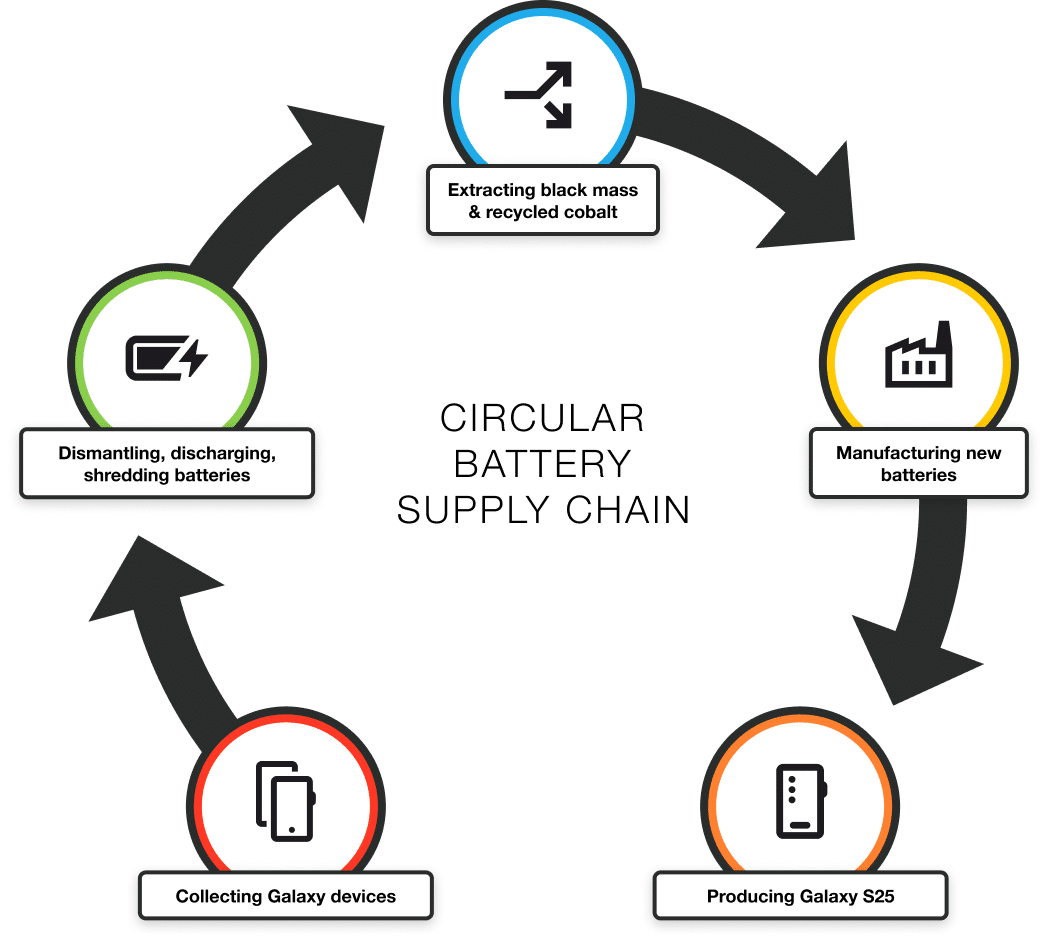
- Electronics: MFA of smartphones helps companies identify where valuable metals like cobalt and lithium can be recovered.
Skills to Lead with MFA
MFA is not just a technical tool—it's a leadership skill. Mid- to senior-level professionals in operations, engineering, sustainability, and supply chain roles can use MFA to:
- Communicate manufacturing efficiency, process improvement avenues and sustainability goals with precision
- Design systems for greater circularity
- Align and manage reporting with global standards
At RIT Certified, our hands-on MFA course equips learners to develop real-world MFA projects that translate technical insights into strategic action. Through project-based learning, students gain the skills and knowledge to build visualizations, define system boundaries, and assess material flows to make an immediate impact in their organizations.
Conclusion
MFA may not grab headlines, but it’s the analytical engine driving the circular economy. By turning material flows into actionable data, MFA helps professionals move from ambition to evidence-based action. And for organizations ready to lead, it offers a clear competitive edge.
Learn more about RIT Certified's Material Flow Analysis course and start mastering the tools that make sustainability measurable today.